
Heritage Trees of Kilmacurragh
Meet the oldest specimens in the gardens, some over 200 years old. Each tree has its own story and unique characteristics you won't find elsewhere.

Ancient Giants Worth Knowing
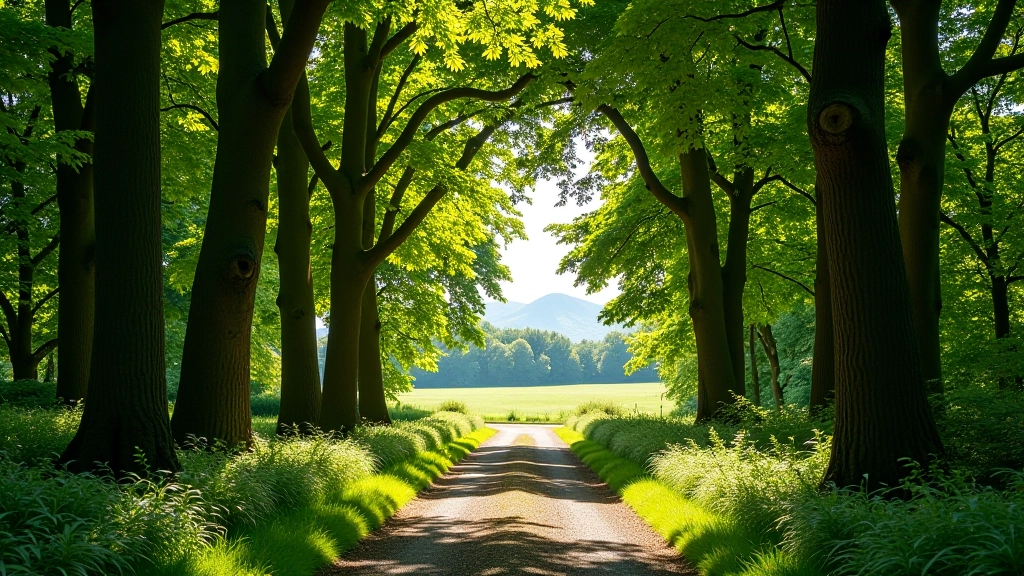
Walking through Kilmacurragh, you're surrounded by living history. These aren't just trees — they're witnesses to centuries of change. Some were planted before Ireland's independence. Others have seen the gardens transform from a private estate into a public treasure.
What makes these trees special? It's not just their age. It's how they've adapted, survived storms, and created entire ecosystems around themselves. You'll find lichens, mosses, and creatures that exist nowhere else in the gardens. The heritage trees are basically forests unto themselves.
The Great Oak of the South Lawn
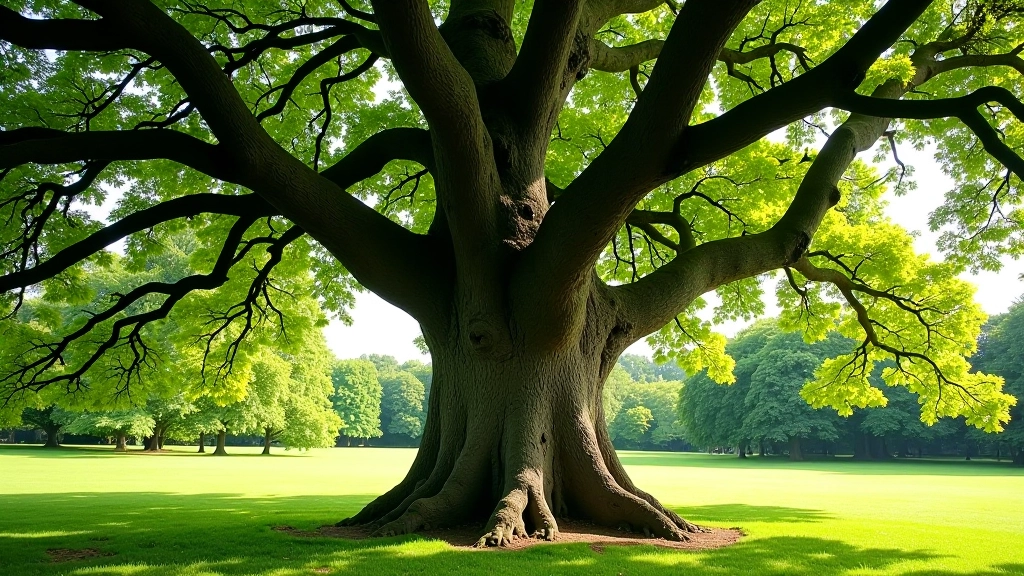
This isn't just any oak. It's a pedunculate oak — Quercus robur — that's been standing in the same spot for roughly 240 years. The trunk measures nearly 4 meters in circumference. That's wider than most doorways.
What's remarkable? The tree's still growing. Despite centuries of weather, visitors, and the occasional careless branch-grabber, it's healthier now than it was 20 years ago. The gardens staff installed proper root protection and adjusted the soil pH, which made a real difference. You'll notice the canopy's fuller, the leaves are deeper green, and there's less deadwood than there used to be.
Stand beneath it on a summer day. You'll feel the temperature drop about 5 degrees compared to the open lawn. That's not just shade — it's the tree releasing moisture into the air through transpiration. It's creating its own microclimate.
About Tree Age Estimates
The ages mentioned in this guide are estimates based on dendrochronology, growth patterns, and historical records. Exact ages vary depending on the measurement method used. For the most accurate information about specific trees, we recommend speaking with the gardens' botanical team during a visit.
The Monterey Pines: Rare and Vulnerable
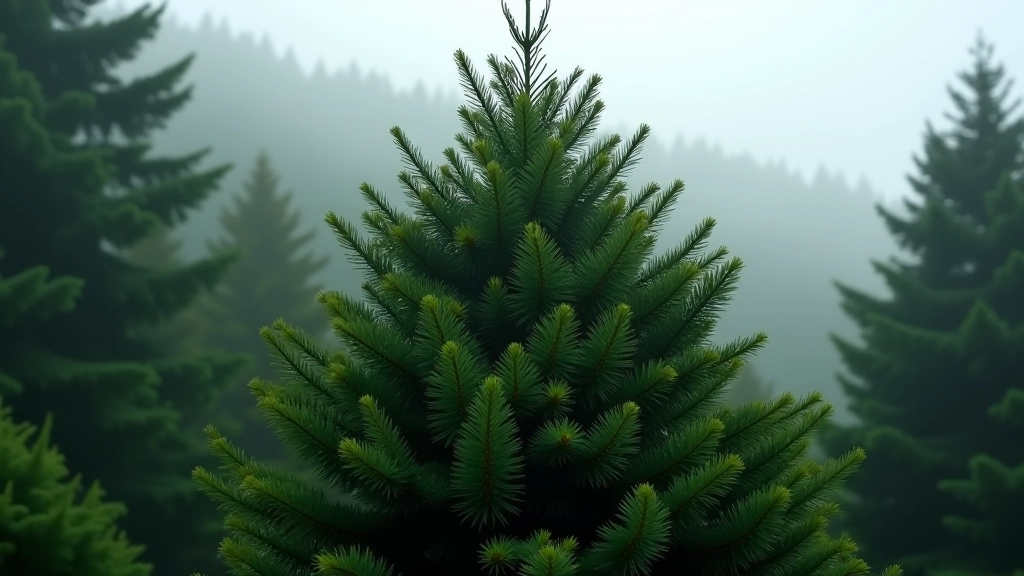
Five Monterey pines stand in the eastern section of the gardens. They're not native to Ireland — they're from California. But they've adapted remarkably well here. These aren't small trees. They reach 25-30 meters and create a dramatic vertical accent in the landscape.
Here's the challenging bit: Monterey pines are under pressure. A disease called pitch canker has affected populations worldwide. The gardens monitor these trees closely — checking for symptoms, maintaining soil health, and ensuring they're not stressed. It's preventative work that most visitors never see.
If you look closely at the base, you'll see protective mulch. That's not just decoration. It regulates soil temperature and moisture, which keeps the roots stronger and more disease-resistant. Small details like this often determine whether heritage trees survive another century.
Explore More About Kilmacurragh
The Beech Grove: Where Time Moves Slowly
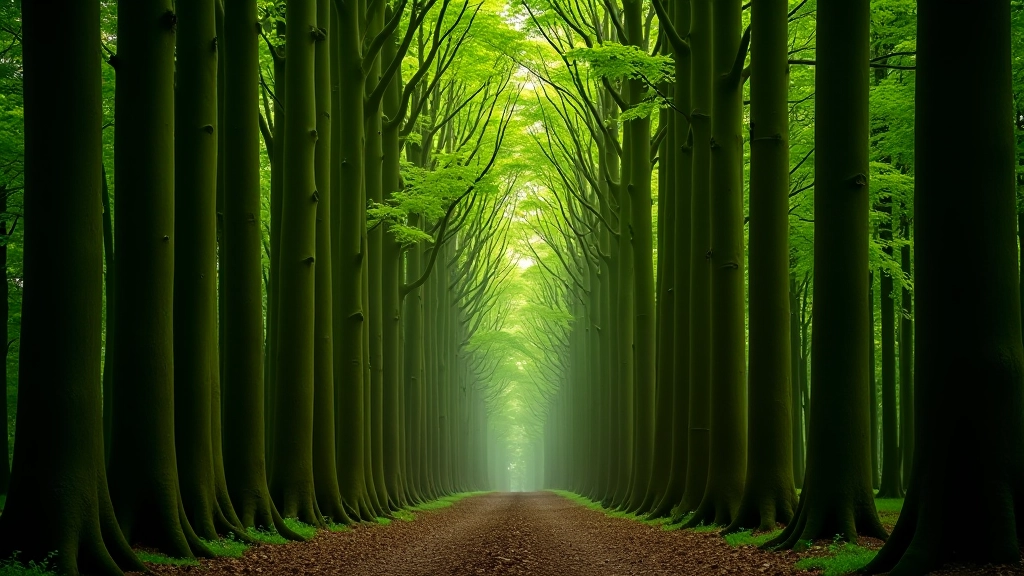
Walk into the beech grove and you'll immediately feel the difference. The air's cooler. Quieter. It's like stepping into another world. These European beeches — Fagus sylvatica — were planted over 180 years ago, and they've created a natural cathedral.
What makes beeches special? They're incredibly slow-growing. These particular trees gain maybe 10-15 centimeters of diameter per decade. That means each ring in the wood tells a specific story. Ring widths vary depending on that year's weather, so you can actually read climate history in the tree itself.
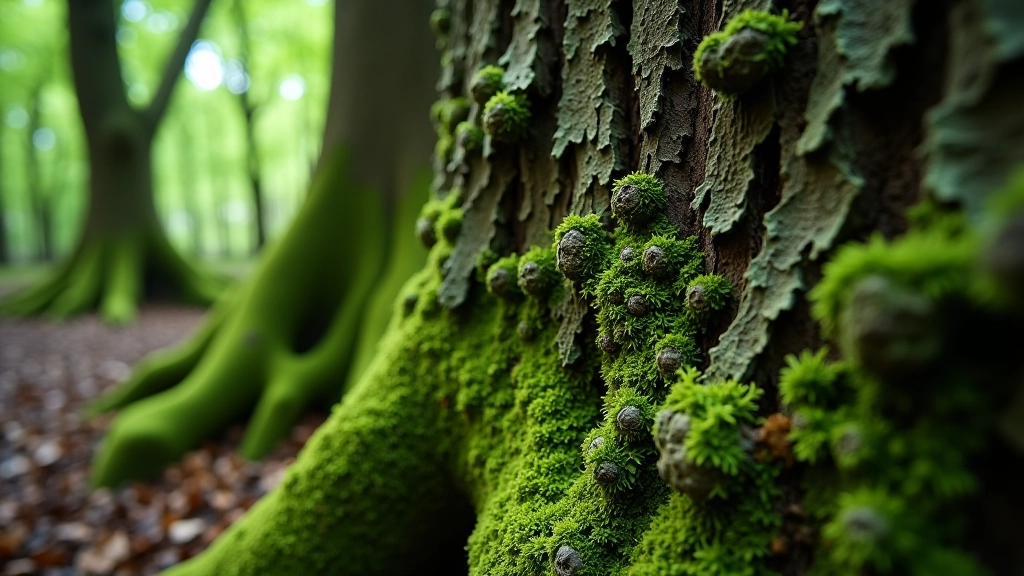
The grove's ecosystem is its own thing. The thick leaf litter creates perfect conditions for fungi, insects, and small mammals. Birds nest higher up. Lichens and mosses cover the bark. It's not just individual trees — it's a community that's evolved together over nearly two centuries.
Why These Trees Matter Now
Heritage trees aren't just botanical curiosities. They're genuinely important for understanding how forests respond to change. Climate records from tree rings help scientists understand past weather patterns. That information directly informs predictions about future climate scenarios.
These specific trees at Kilmacurragh tell us how species from different regions — Mediterranean, Asian, North American — adapt to Irish conditions. Some thrive. Others struggle. That's valuable data for forestry management and conservation planning across the island.
Plus, they're living monuments. People visit, sit beneath them, find peace in their presence. There's something profound about standing next to something that's been growing since before your great-grandparents were born. It changes perspective. These aren't just trees — they're connections to the past and bridges to the future.
Planning Your Visit to the Heritage Trees
You don't need special knowledge to appreciate these trees. Just time and curiosity. Bring a magnifying glass if you want to examine lichens closely. Bring a notebook if you're interested in sketching. Mostly, bring patience — the best experiences happen when you slow down and really look.
The gardens are open year-round, though spring and autumn are particularly beautiful. Early morning visits tend to be quieter, which means you'll have more space to sit and observe. The heritage trees aren't going anywhere, but they're worth visiting repeatedly. You'll notice something different each time.