
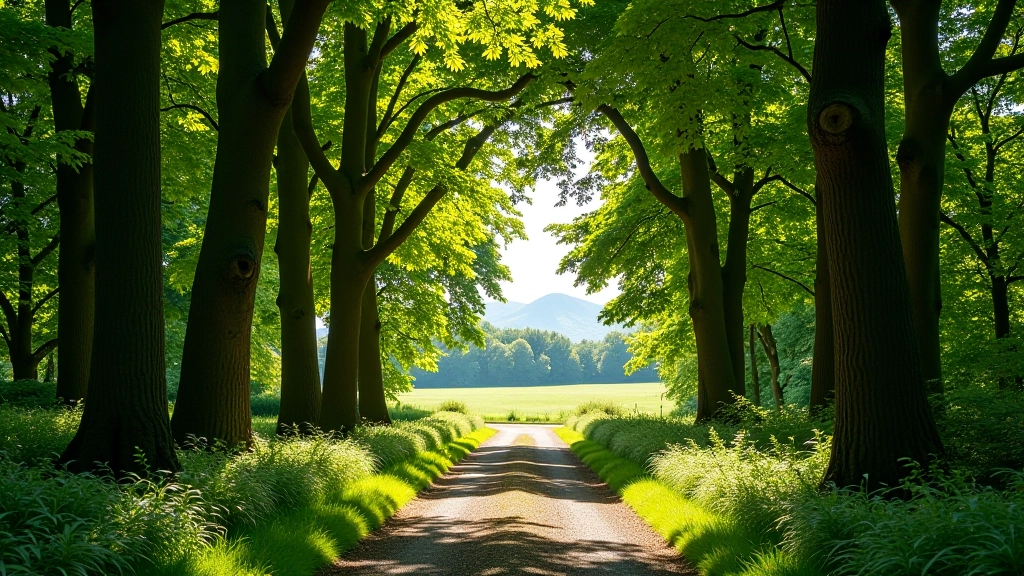
Wildlife Spotting: Birds and Forest Creatures
The gardens are home to over 40 bird species and countless small mammals. Learn what signs to look for and how to observe wildlife respectfully without disturbing natural habitats.

Why Wildlife Matters Here
Kilmacurragh isn't just a place to see plants. The gardens create a living ecosystem where birds nest in the canopy, small mammals shelter in the undergrowth, and insects pollinate thousands of flowers. When you visit, you're stepping into a habitat that's genuinely alive.
The thing is, most people walk through without noticing. They see trees and paths but miss the real action happening around them. With a bit of patience and the right techniques, you'll spot things that'll surprise you — and understanding what you're seeing makes the whole experience richer.
The Basics: What You Actually Need
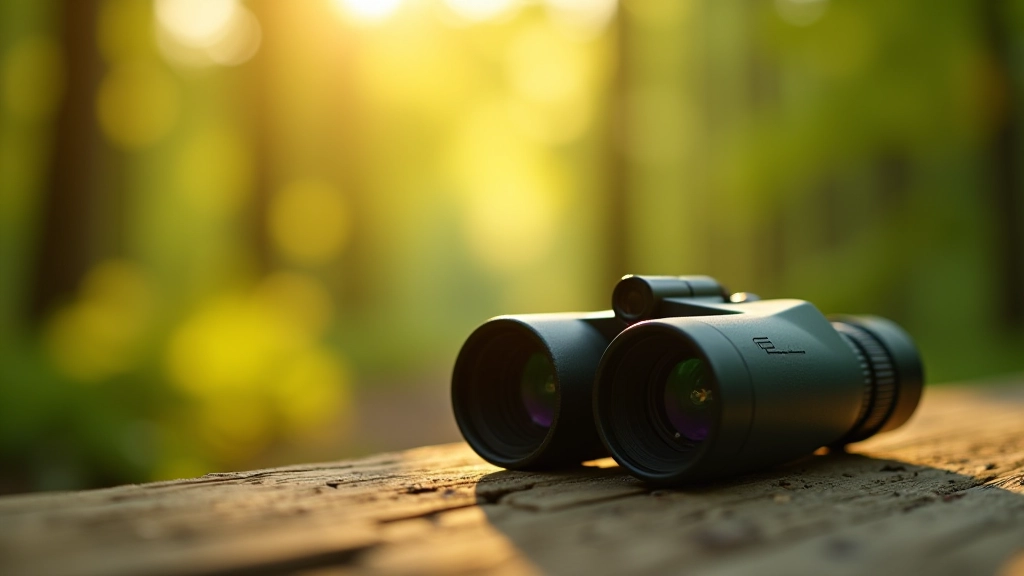
You don't need expensive gear to start spotting wildlife. Honestly, binoculars help but they're not essential — your eyes work fine if you know where to look. What you really need is patience and stillness. Birds especially will bolt if you crash through the undergrowth like you're searching for something lost.
Wear neutral colors. Greens and browns blend in, while bright reds or white stand out like a beacon. Move slowly. Stop frequently. Let the forest come to you instead of chasing it. And here's the thing — early morning, between 6 and 8 AM, is when you'll see the most activity. Birds are hunting, mammals are moving, everything's more active before the day gets warm.
Best times to visit: Early morning or late afternoon. Midday is quiet.
The Birds You'll Actually See
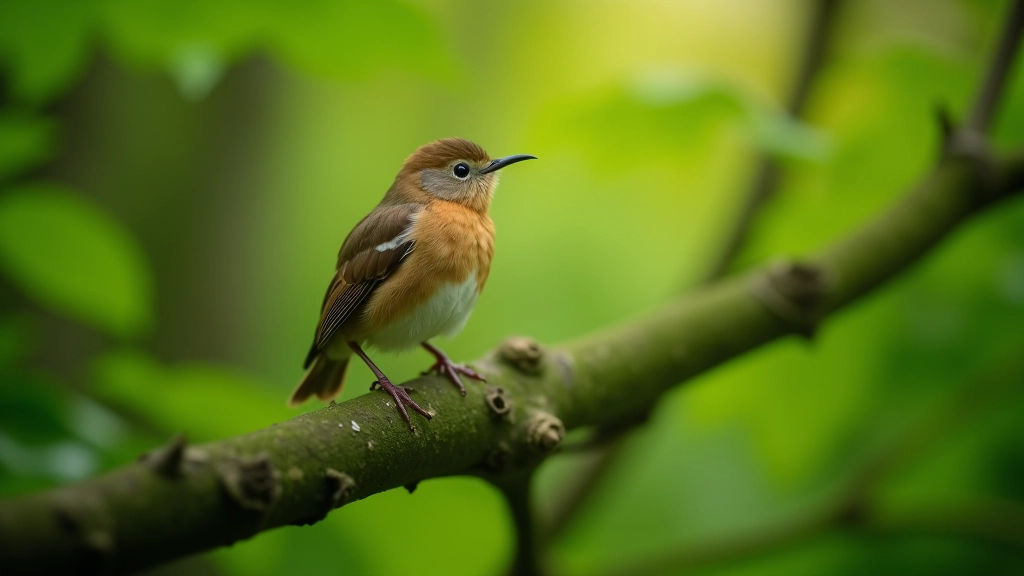
Over 40 bird species use Kilmacurragh. You won't see them all in one visit, but you'll definitely see some. The most common ones are robins, wrens, blackbirds, and various tit species — blue tits and great tits mostly. They're smaller than you'd think and incredibly quick.
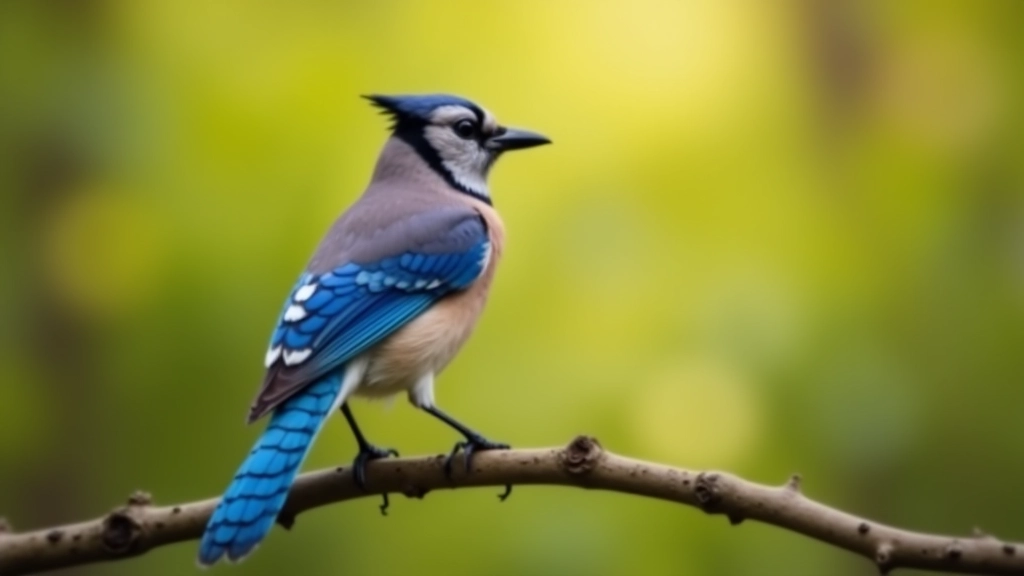
Look for jays in the oak areas — they're loud and striking with blue wings. Woodpeckers work the trunks, leaving characteristic holes. If you're lucky you'll spot a nuthatch, which walks headfirst down tree trunks in a way that looks impossible. Listen more than you look. Birds make noise before you see them. A loud tapping sound? Woodpecker. Rapid chattering? Probably a wren or dunnock.
The trick is staying quiet yourself. Birds have incredible hearing. A whisper carries further than you'd think in a forest.
Wildlife Observation Guidelines
This guide is informational only. Wildlife behavior varies based on season, weather, and individual animals. Always maintain a respectful distance from animals, never attempt to feed or touch wildlife, and follow the gardens' visitor guidelines. If you're interested in professional wildlife study, consult with our conservation team.
Mammals: The Harder Find
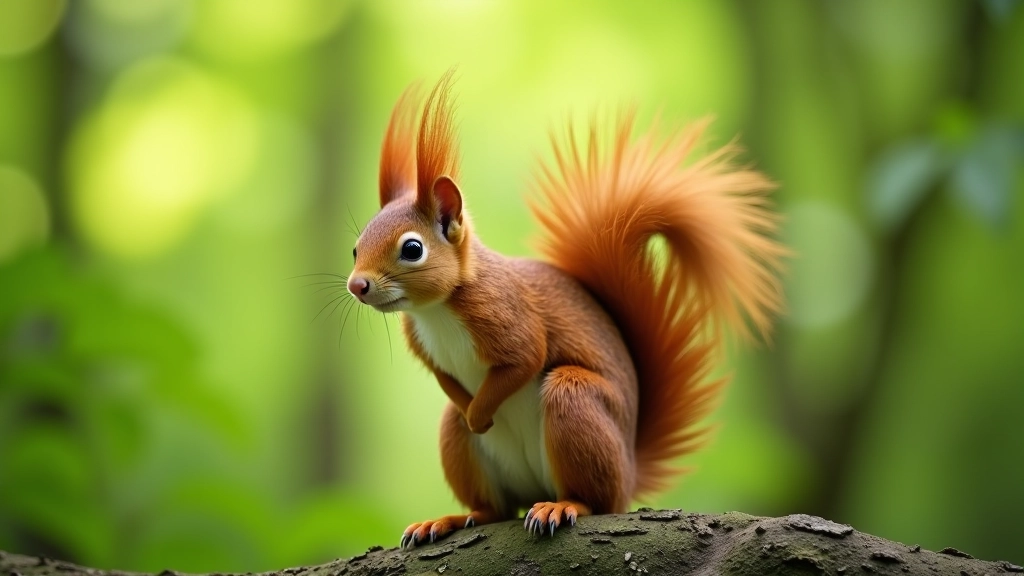
Mammals are trickier to spot than birds because they're more cautious. Squirrels you'll definitely see — they're bold and active in the trees. Look for the red squirrels which are native to Ireland. They're smaller than grey squirrels and have distinctive ear tufts.
Rabbits and hares move through the open grassland areas. You might see evidence of their presence — nibbled vegetation, droppings, burrow entrances — before you see them. Badgers are nocturnal so you won't spot them during the day. But hedgehogs sometimes move around in late afternoon. They're surprisingly quick and don't curl up unless they're genuinely threatened.
The key with mammals? Move even slower than with birds. Let them see you from a distance so they can decide to stay. Animals that feel trapped panic and run.
Practical Spotting Techniques
1
Listen First, Look Second
Stop moving and listen for 2-3 minutes. You'll hear birds before you see them. Once you locate a sound, move your eyes slowly toward it.
2
Use Your Peripheral Vision
Don't stare directly at where you think wildlife is. Movement is easier to spot in your peripheral vision. Look slightly to the side.
3
Identify by Silhouette
You don't need perfect detail. Different birds have distinctive shapes. A jay's crest, a woodpecker's posture, a wren's tiny frame — shapes tell you what you're seeing.
4
Watch the Feeding Spots
Fruit trees, seed heads, berry bushes — wildlife congregates where food is. Sit quietly nearby and wait. You'll see more by staying in one place than by walking.
Take Your Time, You'll See More
Wildlife spotting isn't a race. The people who see the most interesting things are the ones who sit still for an hour with a coffee and a notebook. They're not trying to check boxes or see everything in one visit. They're just watching, listening, and letting the forest reveal itself.
You'll spot more on your fifth visit than your first because you'll start recognizing patterns — where the woodpeckers work, which oak trees attract jays, where the rabbits emerge at dusk. Each visit builds your understanding of how the gardens actually work.
So grab your binoculars if you have them, wear something neutral, pick an early morning, and go slowly. The wildlife's there. You just need to be patient enough to see it.
Ready to Explore?
Check out our walking guides to find the best routes for wildlife viewing, or contact us with questions about the gardens.
Explore All Routes