
The Main Circuit Trail: A Complete Walking Guide
The most popular route through Kilmacurragh's heart. Three kilometers of woodland paths, rare specimen trees, and hidden clearings you won't want to miss.
The most popular route through Kilmacurragh's heart. Three kilometers of woodland paths, rare specimen trees, and hidden clearings you won't want to miss.

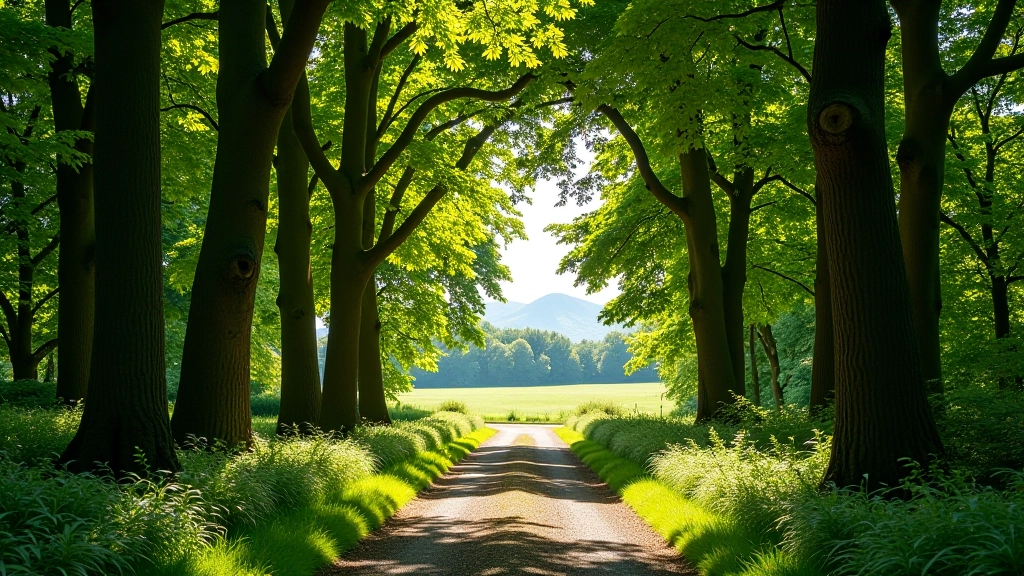
The Main Circuit isn't a difficult walk. Most people finish it in about 90 minutes without rushing. You'll cover three kilometers of well-maintained paths that wind through the heart of the gardens — passing specimen trees, crossing small bridges, and discovering quiet corners that feel miles away from the entrance.
The trail's popularity comes down to variety. You're not just walking past trees — you're walking through different woodland types, from native oak stands to exotic specimen plantings. The elevation changes are gentle, making it accessible for families and older visitors while still offering enough scenery to keep you engaged the whole way.
3 km
90 mins
Minimal
Spring-Autumn
You'll start near the main visitor center and head left toward what locals call the Heritage Grove. The first 400 meters follow the old access road — it's wide enough that you won't feel crowded even on busy days.
This section shows you what you're in for. You'll see the tall Victorian conifers — Douglas firs, Sitka spruces, and Japanese larches planted over a century ago. They create this cathedral-like atmosphere with their height and density. The undergrowth here is sparse because so little light reaches the forest floor.
Watch for the side path on your right at around the 350-meter mark. That's where a magnificent old oak stands — probably 180 years old. The main path keeps going, but you won't regret the 30-second detour.

This guide describes the Main Circuit as it currently exists. Weather conditions, seasonal maintenance, and occasional path changes mean you should always check with Kilmacurragh's visitor center for current conditions before starting. The information here is for educational and planning purposes — it's not a substitute for being observant and cautious while walking.

About halfway through the circuit, the path descends toward the stream. This is where the character changes completely. You're suddenly in a more open environment — deciduous trees instead of those towering conifers, more light, more birdsong.
The stream section is what makes this trail special. The path crosses twice via small bridges. The first bridge comes around the 1.3-kilometer mark. It's stone, quite sturdy, and there's usually a bench nearby where you can sit and listen to the water.
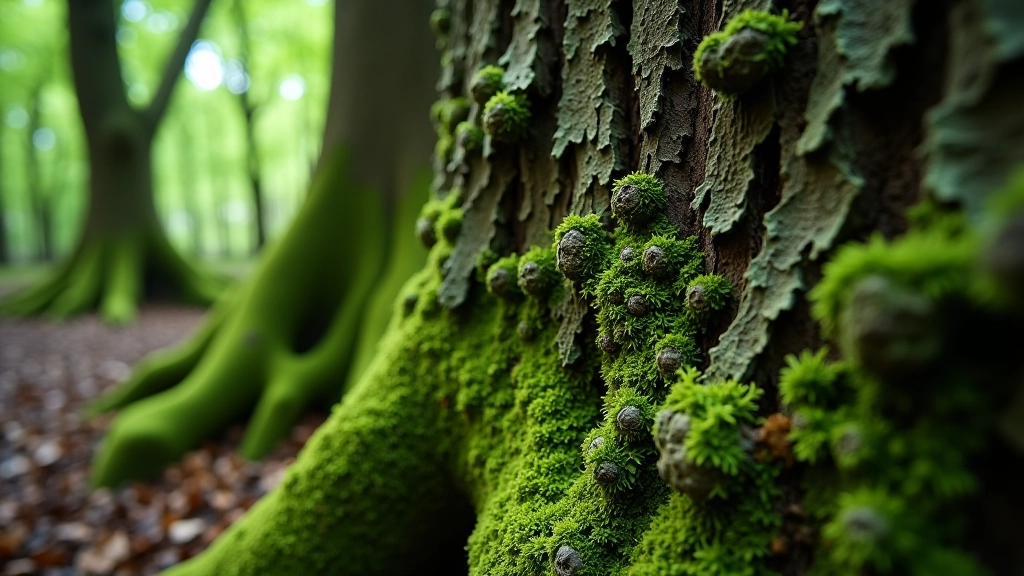
Don't rush this section. The valley holds moisture and supports plants you won't see elsewhere on the circuit — royal ferns, various mosses, and if you're lucky in spring, wood sorrel flowers. The light quality here is different too. Even on bright days, it's softer, filtered.


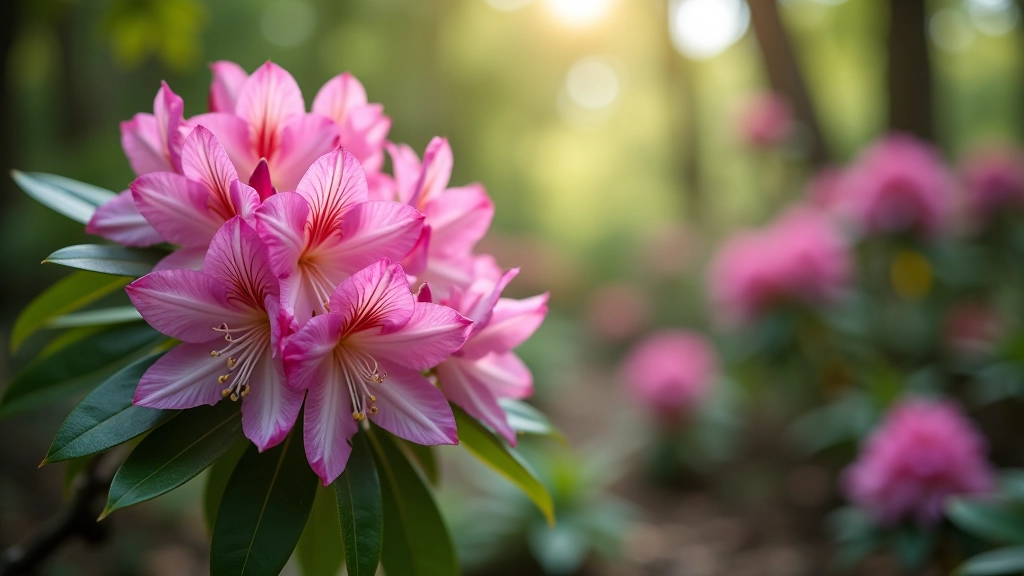
After the stream section, the path climbs gently back uphill. You're now in what's labeled on the maps as the Azalea Garden, though the plantings here include rhododendrons and magnolias as well. In May, this section is spectacular — literally surrounded by color. Outside the bloom season, it's still worth visiting for the structure of the plants and the garden design.
The final kilometer brings you back toward the main facilities. The path widens again, and you'll notice more people as you approach the visitor center. But there's one more worthwhile spot — just before you reach the car park area, there's a viewing platform on your left. On clear days you can see across the valley toward Glenveagh. It's the perfect place to catch your breath and reflect on what you've seen.
The path's mostly shaded, so it's actually pleasant even on warm days. Mornings are quietest — if you prefer fewer people, aim for before 11 a.m. After rain, the stone sections can be slippery.
Regular trainers are fine on dry days. After rain or in winter, proper walking boots with grip are worth the effort. The bridges and stream-crossing areas get genuinely slippery when wet.
Binoculars if you're interested in birds. A notebook for noting plant species you want to identify later. Water — the walk takes 90 minutes and there's nowhere to buy drinks mid-route.
The route is well-marked with blue and yellow signs at junctions. You can't really get lost, but picking up a map at the visitor center gives you context about what you're seeing.
The Main Circuit Trail works because it balances accessibility with genuine natural interest. You don't need to be a keen botanist to enjoy it — the landscape speaks for itself. But if you are interested in plants, trees, and woodland ecology, there's plenty to discover.
The trail shows you what the gardens are really about: preserving specimen trees, maintaining woodland habitats, and creating spaces where people can understand and connect with nature. It's not a dramatic mountain walk. It's something quieter and more subtle — three kilometers of thoughtful landscape design.
Most people who walk the Main Circuit once come back again. Sometimes in different seasons, sometimes with different people. That's when you notice new details — the way light changes through the seasons, which birds are nesting where, how the ferns unfurl in spring.