
Seasonal Changes in the Woodland
Spring bluebells, summer canopy cover, autumn colors — each season transforms the trails. Discover what's blooming and when to visit for the best experience.

Nature's Changing Face Throughout the Year
Kilmacurragh's woodlands aren't static. They're alive and constantly shifting, responding to temperature, light, and rainfall. If you've only visited once, you're missing three completely different experiences waiting in the other seasons.
We've walked these trails in January sleet and August sunshine, and honestly, they're compelling in all conditions. Each season brings its own character — different plants coming alive, different animals active, different moods to the light filtering through the canopy.
Visit at the Right Time
- Spring (March–May): Wildflower displays, nesting birds
- Summer (June–August): Full canopy, fern growth, long daylight
- Autumn (September–November): Color changes, seed dispersal, migration
- Winter (December–February): Bare structures, evergreens, quiet atmosphere
Spring: The Woodland Awakens
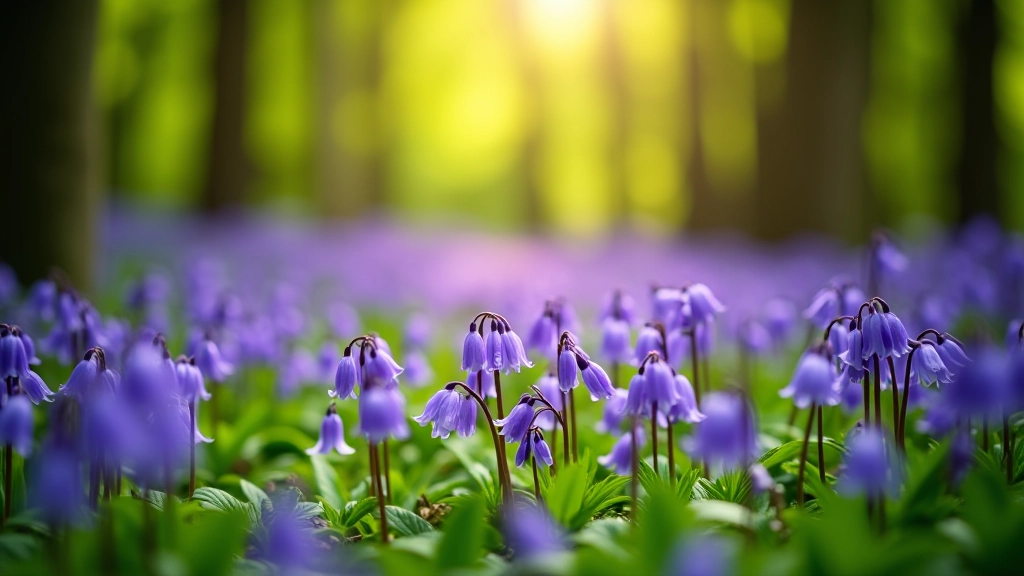
Starting in late March, the forest floor erupts with color. Bluebells blanket the woodland floor from mid-April through May — it's genuinely one of the best displays you'll see anywhere in Ireland. They're not isolated patches either; entire sections of the trail are carpeted in blue.
Beyond bluebells, you've got primroses, wood anemones, and wild garlic. The wild garlic (ramsons) smell incredible — that distinctive pungent smell means you're in prime bluebell territory. Trees are leafing out too, so the canopy's opening up and light's reaching the ground more than it will in summer.
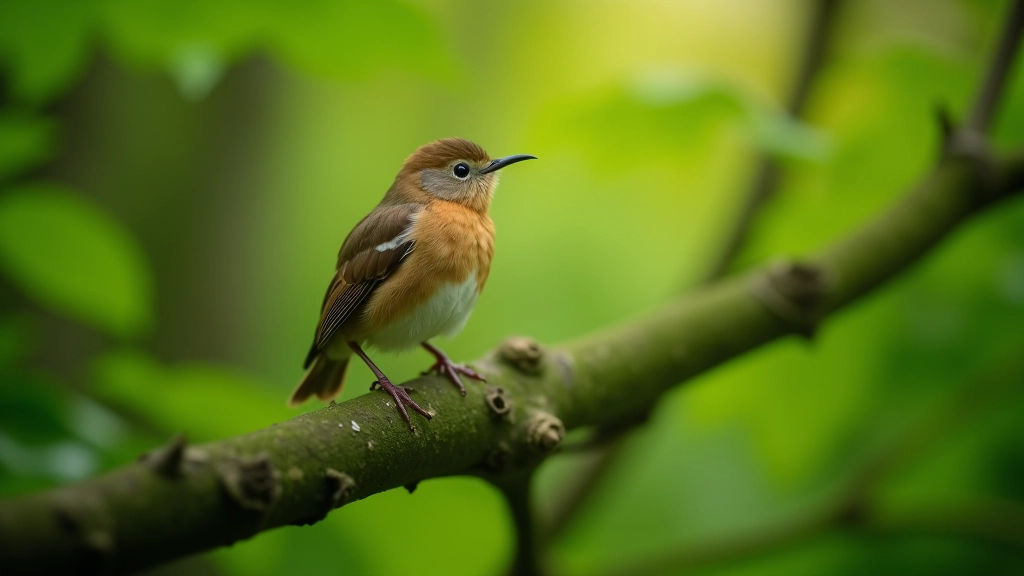
Bird activity peaks in April and May. You'll hear warblers, thrushes, and if you're lucky, woodpeckers. The soundtrack changes completely — it's not just the visual shift, it's the acoustic environment too.
Best timing:
Mid-April to early May for bluebells. Visit on overcast days for
the truest color — bright sun actually washes them out a bit.
Summer: Dense Green and Full Shade
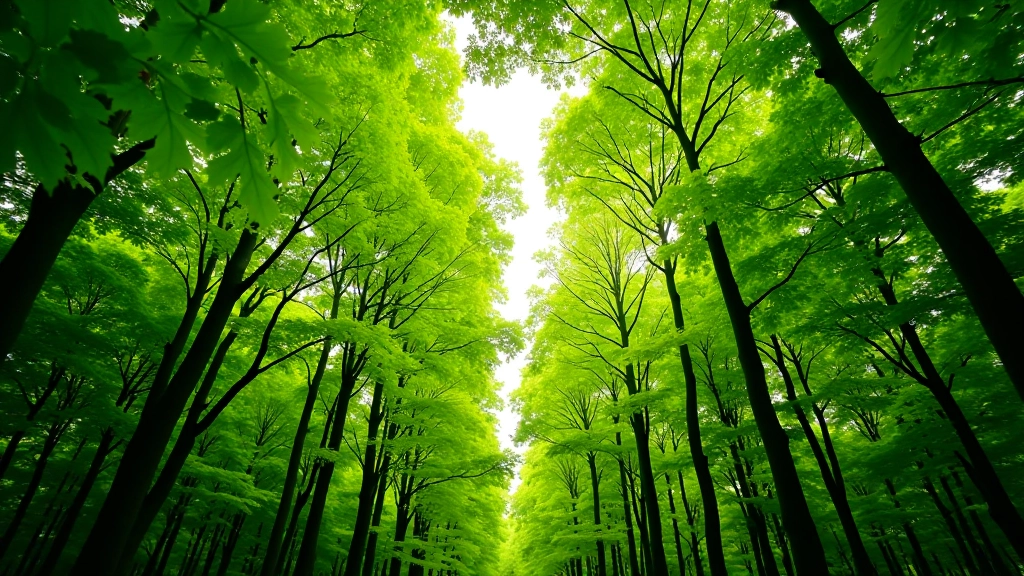
By June, the woodland's completely transformed. The canopy's closed up fully, creating a green tunnel effect on most of the trail. Temperature drops noticeably under the trees — it's 3 to 5 degrees cooler than the surrounding area. That's actually useful on hot days; the woodland becomes a natural refuge from the heat.
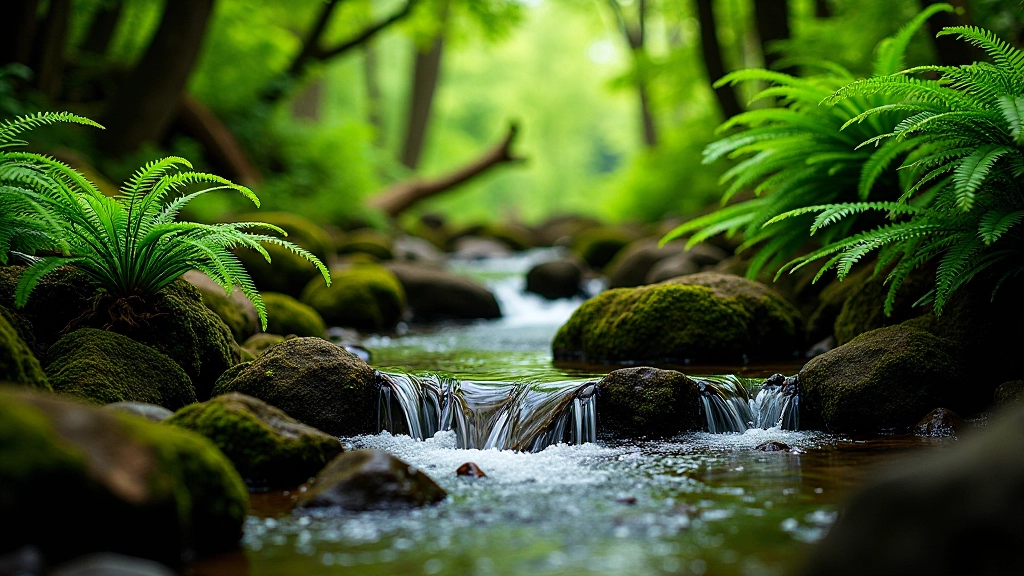
Ferns thrive in this season. The shade and moisture create perfect conditions for them to expand. You'll see bracken, male fern, and lady fern all at their peak. Some visitors come specifically for the fern display — they're architectural and genuinely beautiful when you look at them closely.
Wildflowers are mostly gone, but you'll find foxgloves in clearings and wood avens throughout. Insects are everywhere — damselflies near the stream, butterflies in sunny patches. The sound of birds quiets down after May (they're not advertising territories anymore), but you'll hear more insects and water sounds.
Best timing:
Early July for the fullest canopy and least crowding. Visit in
the morning or late afternoon for better light photography.
About This Guide
This article provides educational information about the seasonal changes observable in Kilmacurragh's woodland. Specific flowering dates and wildlife activity vary yearly based on weather conditions, temperature patterns, and other environmental factors. For the most current information about what's blooming or visible on any given visit, we recommend checking with the Kilmacurragh visitor center or checking their social media channels before your visit. Always follow Leave No Trace principles and respect wildlife by observing from a distance.
Autumn: Color, Chaos, and Change
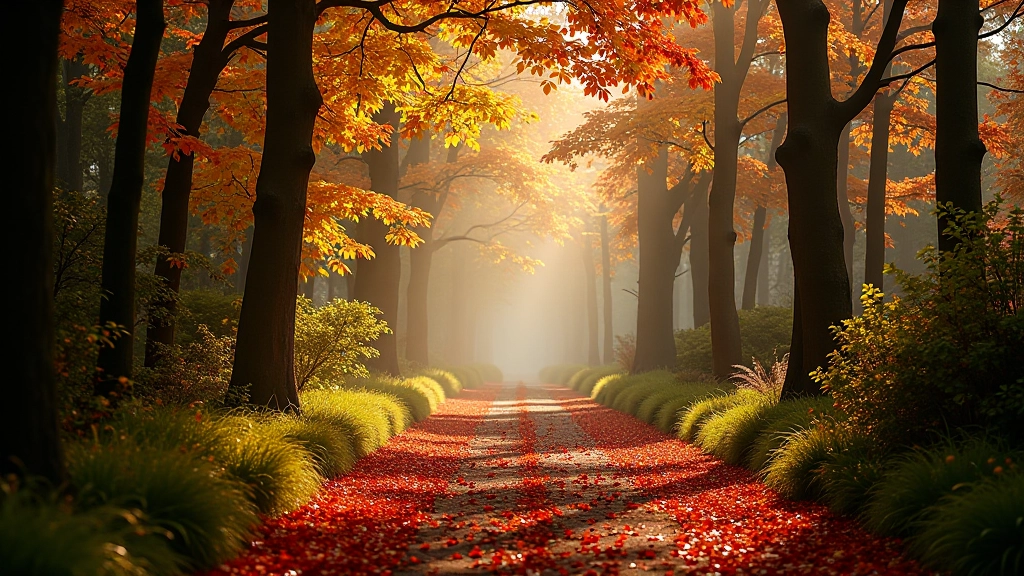
September through November is when the woodland becomes a visual spectacle. The deciduous trees — beech, oak, ash — transition from green to yellows, oranges, and deep reds. It's not all at once though; the change happens gradually over six weeks, so there's always something new to see if you visit multiple times.
The ground transforms too. Leaf litter accumulates, creating a golden carpet. Mushrooms fruit across the forest floor — there's actually incredible fungal diversity here, though we're not experts in identifying them. The air smells different in autumn: earthier, damper, richer. It's the smell of decomposition and new soil formation.
This is migration season. You'll see birds passing through that aren't resident — warblers heading south, thrushes moving through. Fewer insects, but the ones that are around are often more visible because there's less foliage. It's also acorn and seed season, so you'll notice squirrels and jays being particularly active.
Winter: Skeleton and Structure
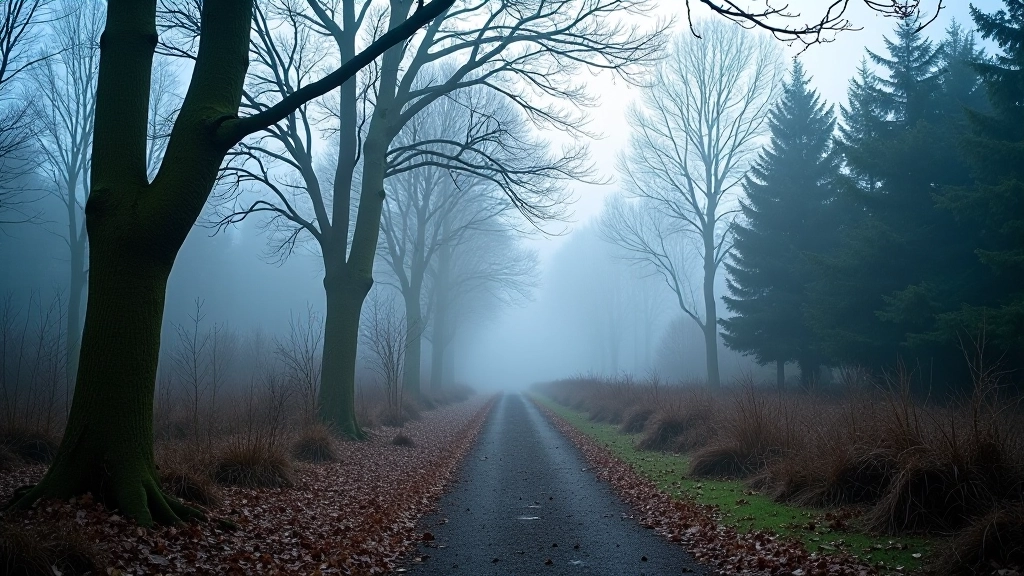
From December through February, the deciduous trees lose all their leaves, revealing the actual structure of the woodland. It's stark but compelling. You can see how trees are arranged, how the canopy's layered, which plants are evergreen (holly, ivy, yew, Scots pine). The visual complexity becomes clear once the screening's removed.
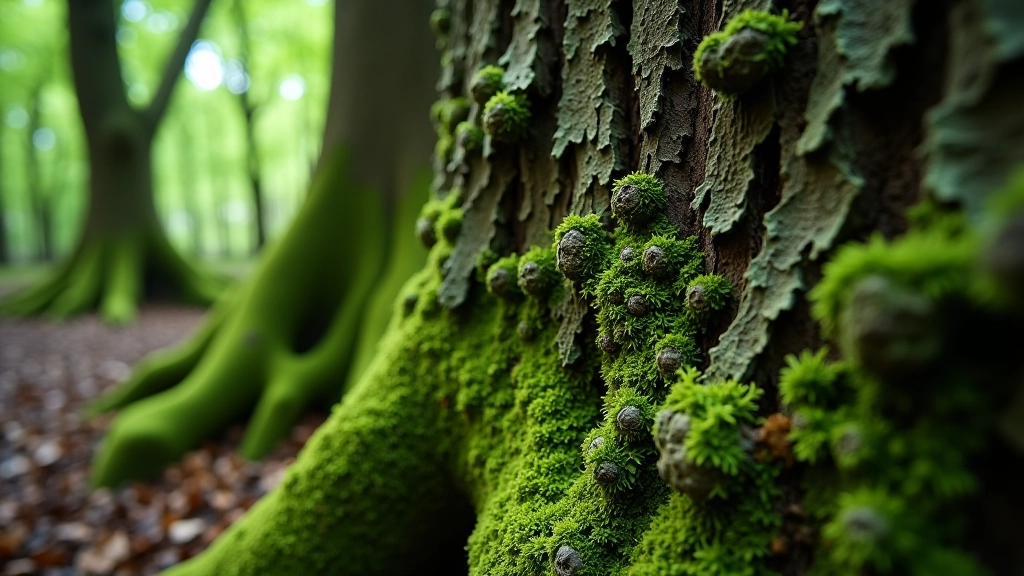
Moisture's abundant — the ground stays wet, streams run fuller, and everything's covered in moss and lichen. The stream's most dramatic in winter too, running high and fast after heavy rainfall. It's genuinely worth walking the route just to see the water dynamics.
Winter's quieter. Less bird activity, fewer insects, fewer visible animals overall. But it's not dead — it's dormant. The trees are resting, storing energy in their roots for spring. Evergreens become the visual focus. Holly berries provide color and food for birds. Ivy flowers late and attracts insects. It's a different kind of beauty than spring's explosion.
Best timing:
Late January through early February for clear winter light and
fewer visitors. Wear waterproof footwear — the trails get muddy.
Plan Your Seasonal Visit
There's genuinely no bad time to visit Kilmacurragh's woodland, but knowing what each season offers helps you plan around what interests you most. If you're drawn to wildflowers, spring's non-negotiable. Want dramatic light and structure? Winter's your season. Can't decide? Come back four times — that's what we recommend anyway.
The woodland changes constantly, and that's what makes it compelling. Every visit reveals something you missed before. The trails themselves stay the same, but the experience is completely different depending on when you arrive.